Scams and safety
Fake rescue videos: how to spot them
Staged animal rescues, AI-made heroes and donation appeals: how fake rescue videos work, the warning signs, and how to help real rescuers instead of the fakers.
Video Verifier team · · 4 min read
Fake rescue videos come in three kinds: staged rescues, where someone puts an animal or person in danger on purpose to film the "rescue"; AI-generated rescues that never happened at all; and real rescues reshared with a false story or a donation link. To spot one, ask whether the danger could have happened naturally, whether a real, named rescuer is involved, and whether anyone is asking you for money.
Why rescue videos get faked
Rescue clips are among the most shareable videos online. They make people feel relief, hope and kindness in thirty seconds, and that emotion turns into likes, follows, ad money and donations. That makes them a business.
In October 2024, the Social Media Animal Cruelty Coalition, a group of animal protection organisations, published a report on staged animal rescues. Over six weeks its researchers found more than 1,000 such videos, viewed over 572 million times in total; cats were the most common animal, and some creators asked viewers for donations (World Animal Protection's summary).
AI has added a new layer: rescues that no camera ever filmed. In July 2026, Newschecker found that a viral video of a helicopter rescuing people and cattle from the roof of a flooded train, shared as footage of the Assam floods, was AI-generated; people appeared to float beside the train roof and figures merged into each other. Around the same time, CyberPeace found that a clip of a delivery rider leaping in front of a speeding truck to save a child, shared as an incident in Mumbai, was also AI-made.
Kind 1: Staged rescues
The animal is real and the danger is real, but someone created it. Kittens "found" in a drain, a puppy "trapped" under rocks, a monkey "attacked" by a snake. The coalition suggests three questions, which it calls the A.R.C. test:
- Authenticity. Is a real, named rescue organisation involved?
- Reality check. Could this situation really have happened by chance?
- Creation. Does the same creator post many rescues with the same setting or storyline?
Other tells: the camera is already rolling and well framed before the "discovery", the rescuer films calmly instead of acting fast, and the same animals or locations reappear across videos.
Please don't engage with these, even with angry comments. Any interaction tells the platform the video is popular, which rewards the people hurting the animals.
Kind 2: AI-made rescues
These show heroic firefighters, soldiers, passers-by or animals saving someone in a disaster, a fire or traffic. They're designed for "faith in humanity" pages and often get attached to real news events to seem current.
Video is likely
AI-made
Video is likely
AI-made
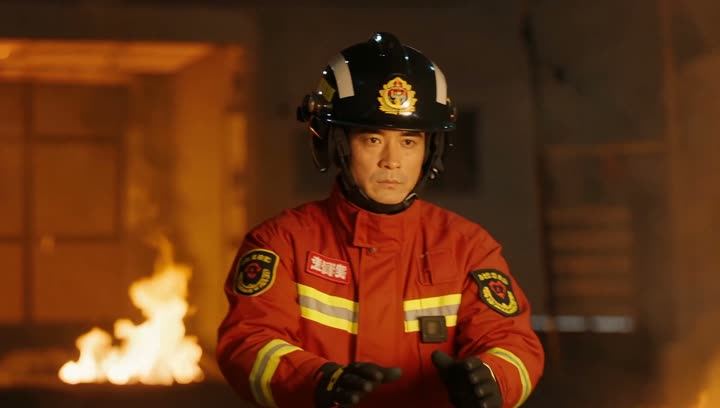
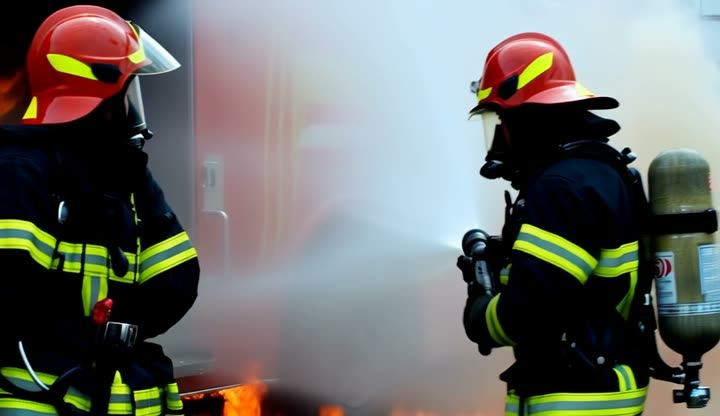
Two AI clips from our test set. First: a firefighter in front of flames, made with ByteDance's Seedance 1 Pro. Second: firefighters in breathing gear in front of a fire, made with Alibaba's Wan 2.1. Our video model scored both 99% AI. Heroic scenes like these are easy to generate, which is why a moving rescue video isn't evidence that a rescue happened.
What to check:
- Search for the event. A dramatic flood rescue, a fire or a child saved from traffic would be reported by local news, with a place and a date. Search the claim with the city's name.
- Watch the bodies and the water. People who float, merge or pass through each other, water that doesn't push anyone, flames that don't light up faces, and rescuers whose equipment changes shape are common AI tells.
- Find the first upload. Many of these clips start on accounts that openly post AI scenarios and get reshared without the label. On Facebook especially, check the page's other posts; our Facebook video check shows how to paste a link for a scan.
- Scan it. Our checker follows how the picture moves over time and checks the frames. We publish how well it catches each tool, including Seedance and Wan.
Kind 3: Real rescue, false story
A real rescue from years ago, or from another country, reshared as "today" with a new caption, sometimes with a donation request attached. A scan will correctly call the footage real, so check the date and place too. Our 5-minute checklist covers how.
Before you donate
Donation appeals attached to rescue videos are where kindness turns into loss. Before you send money:
- Find the organisation, not just the video. Does it have a name, an address, a phone number, a history of work and local news coverage?
- Be wary of personal payment details. A personal UPI ID or QR code in the comments, instead of the organisation's official page, is a red flag.
- Watch for urgency. "Surgery in 2 hours", "last chance to save him" and countdowns are pressure tactics.
- Give locally when you can. Shelters and rescuers you can visit or call are easier to check than a page you found in a video.
If you've paid a fake appeal, call 1930 or report it at cybercrime.gov.in as soon as possible, and tell your bank.
Quick answers
Is every rescue video fake?
No. Many are genuine, filmed by real rescuers and organisations. The checks above help you tell them apart and support the real ones.
Why do platforms allow staged rescues?
Most major platforms have rules against animal cruelty, but creators adapt quickly. Reporting the video as animal abuse helps.
Should I comment to warn others?
It's better to report it and scroll on. Comments, even critical ones, push the video to more people.
Check a rescue video
Paste the link on the home page before you share or donate. The Quick Scan is free to try and needs no sign-up.