How it works
Can video evidence still be trusted? Deepfakes in court
Deepfakes have reached courtrooms: a California case was dismissed over fake video evidence, and US judges are debating new rules. What it means for video evidence, and how to protect yours.
Video Verifier team · · 3 min read
Have a video to check right now? Run a free check on crackly-ai.com →
Video is still strong evidence, but courts now have to ask a question they rarely needed to: could this be AI? In September 2025 a California judge threw out a lawsuit after finding that a "witness" video submitted as evidence was a deepfake. US judicial committees are debating new evidence rules for AI. The practical upshot: the source and chain of custody of a video matter more than ever, and so does keeping the original file.
This is general information, not legal advice.
The case that made headlines
In Mendones v. Cushman & Wakefield, in Alameda County, California, the plaintiffs submitted video of a witness. Judge Victoria Kolakowski found that one exhibit was an AI deepfake, initially flagged by the odd cadence of the voice and confirmed using metadata, and dismissed the case with prejudice in September 2025 (NBC News). It was one of the first widely reported cases of a deepfake being caught as supposedly genuine evidence.
The rules being debated
US federal judicial committees have proposed and debated a new Rule of Evidence 707 for machine-generated evidence, which would hold AI-generated evidence offered without an expert to the same reliability standard as expert testimony. It drew criticism from several directions and, as of 2026, has not been adopted (Proskauer). A separate rule aimed specifically at deepfakes has been discussed but not advanced. For now, courts rely on existing authentication rules and on judges' scrutiny.
Two problems, not one
- Fakes presented as real. A fabricated video of an accident, a threat or a confession.
- Real videos dismissed as fake. As deepfakes become familiar, people caught on genuine video can claim "it's AI". Researchers call this the "liar's dividend". Courts must guard against both.
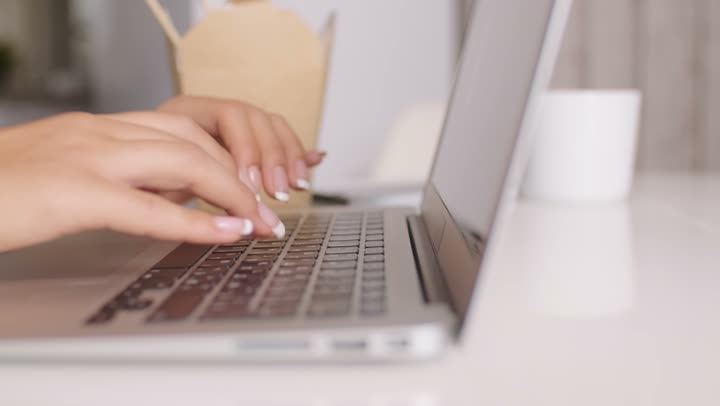
Video is likely
AI-made
Above: real stock footage of hands typing, which our video model wrongly read as 99% AI. It's an honest miss, and a reminder that no detector should decide a legal question alone: a score is evidence to weigh, not a verdict.
How to protect video you may need as evidence
- Keep the original file, straight from the camera or phone, untouched. Don't rely on a copy sent through WhatsApp or downloaded from social media, which strips metadata and re-compresses.
- Record where and when it came from. Who filmed it, on what device, and how it was stored and transferred.
- Preserve the context. Other angles, other witnesses, photos, messages and records from the same time.
- Use devices that sign content if you can. Some cameras and phones attach Content Credentials, a signed record of how a file was made. See Content Credentials explained.
- Get expert help for disputed evidence. Forensic examiners look at the file, its metadata and its consistency with other evidence; detection tools are one input among several.
Where a scan fits
A scan report can help you decide whether a video deserves closer examination, or support a complaint to a platform or the police. It isn't a forensic certificate. Our scans show their reasons, never claim certainty, and our published accuracy results include our weak spots.
Quick answers
Is video evidence admissible in court?
Generally yes, if it's authenticated: someone must show it is what it claims to be. With deepfakes, courts may look harder at the source, metadata and chain of custody.
Has a deepfake been used as evidence in court?
Yes. In 2025 a California court dismissed a case after finding that video evidence submitted by the plaintiffs was a deepfake.
Can an AI detector prove a video is fake in court?
Not on its own. Detection results are evidence for an expert to weigh alongside metadata, source and context; no detector is right every time.
Check a video's story
Have a video you may need to rely on? Upload the original file on crackly-ai.com for a scan with its reasons, and keep that original safe.